
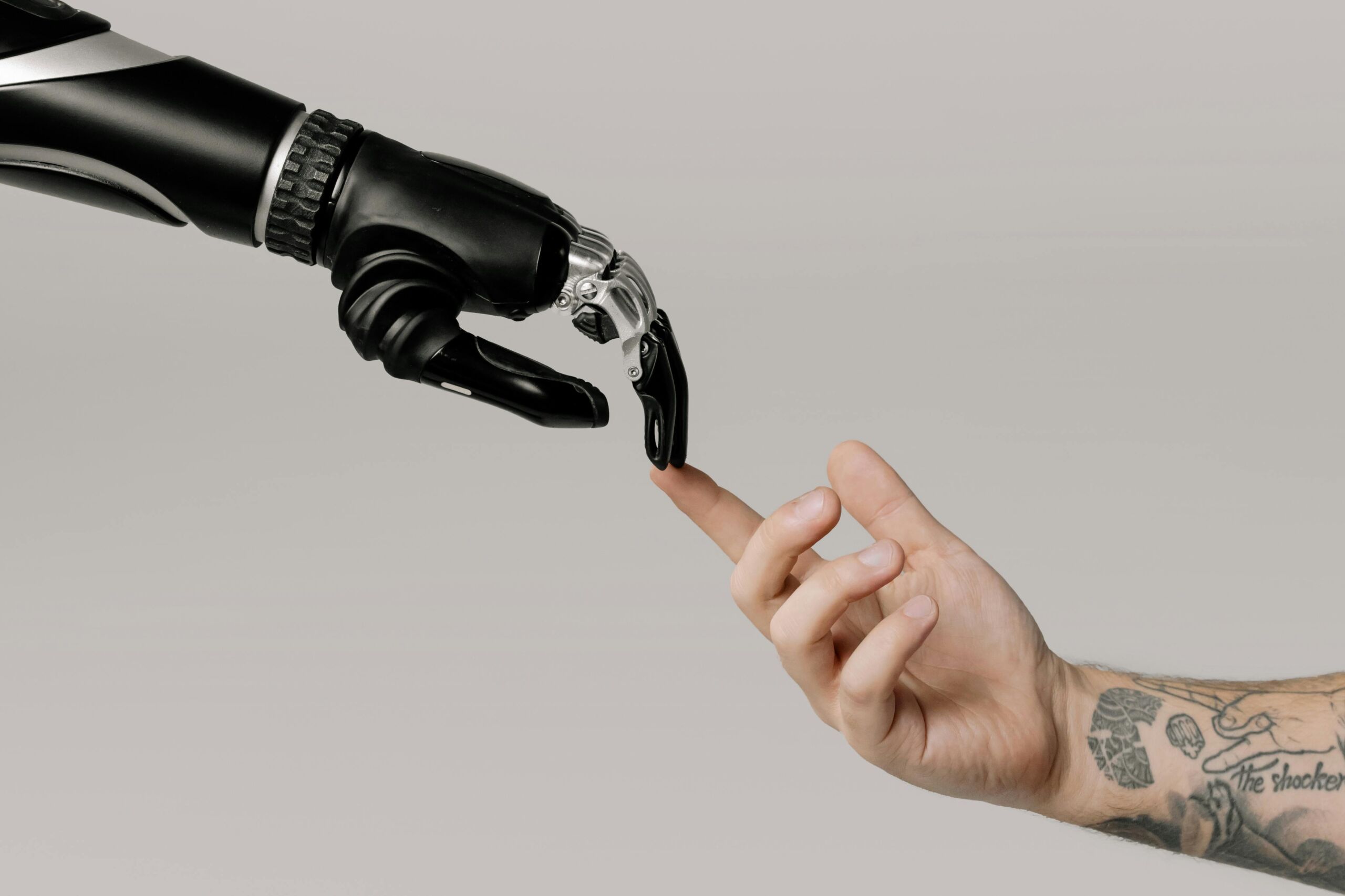
Artificial intelligence is here to stay. And as always happens when something new comes along, the first thing we humans do is resist it. It has always been this way. When machines appeared that replaced manual labor, when assembly lines arrived, when banks began to automate tasks. At the time, all of that felt like the end of work. Today, almost no one would want to go back to sewing by hand twelve hours a day or counting banknotes one by one. Those tasks that seemed so human turned out, over time, to be as inhuman as they could be.
What is interesting is to understand that work is not an eternal essence, but something that is built and rebuilt in every era. What seems like a threat at one point later becomes natural, and what we considered essential ends up turning into something else. Artificial intelligence is no different: it is another milestone in that evolution.
In human resources (or people management, which sounds a little less industrial) the story was the same. What used to be known as the “personnel office” was there to track schedules, put together personnel files, process payroll and organize the occasional celebration. Over time, that role became a strategic business partner: thinking about what culture the company needs, how to attract and retain talent, how to keep up with the changes of a world that never lets up.
In that context, AI does not come to replace anything essential. It comes to take the weight off what is repetitive, what eats up our time, what we should have been automating long ago: screening résumés, processing spreadsheets, tracking schedules. And at the same time it pushes us to focus on what really matters: well-being, culture, productivity, development. What, in the end, makes the difference.
Let's be honest: can anyone say that screening six hundred thousand résumés over a career is an experience that develops us professionally? Or that conducting a thousand screening interviews brings us closer to our purpose? Or that mechanically administering batteries of assessments brings anything other than burnout? Human Resources has too much to offer for the best of our time to be spent on those tasks. And that is precisely where artificial intelligence can be an ally: freeing up the repetitive so we can focus on what adds real value.
In Uruguay we are just getting started. Only six percent of workers use AI every day, and almost half never use it. But demand for profiles with artificial intelligence skills grew by more than one hundred and ninety percent in just two years, and hundreds of new job postings in that field appear every month. In other words: companies are already asking for it, even if they are not yet fully applying it.
That is why we need something as simple as it is difficult: to give ourselves time to learn, and also to unlearn. To explore these tools, rethink procedures, dare to experiment. Not because AI is going to save us, nor because it is a cure-all, but because ignoring it would mean standing by and watching the train go by.
And, of course, none of this replaces the bigger debates: what will happen to inequality, labor rights, data privacy, and the social and political impact that artificial intelligence may have. These are huge and necessary discussions, which I do not want to oversimplify.
What does interest me, somewhat arbitrarily if you like, is to focus on the use of AI in human resources. Because it is the field I work in and the place from which I can think. An instrumental decision, yes, but one I find valid: looking at how these tools can help us let go of repetitive tasks and focus on what really makes the difference in people management.
